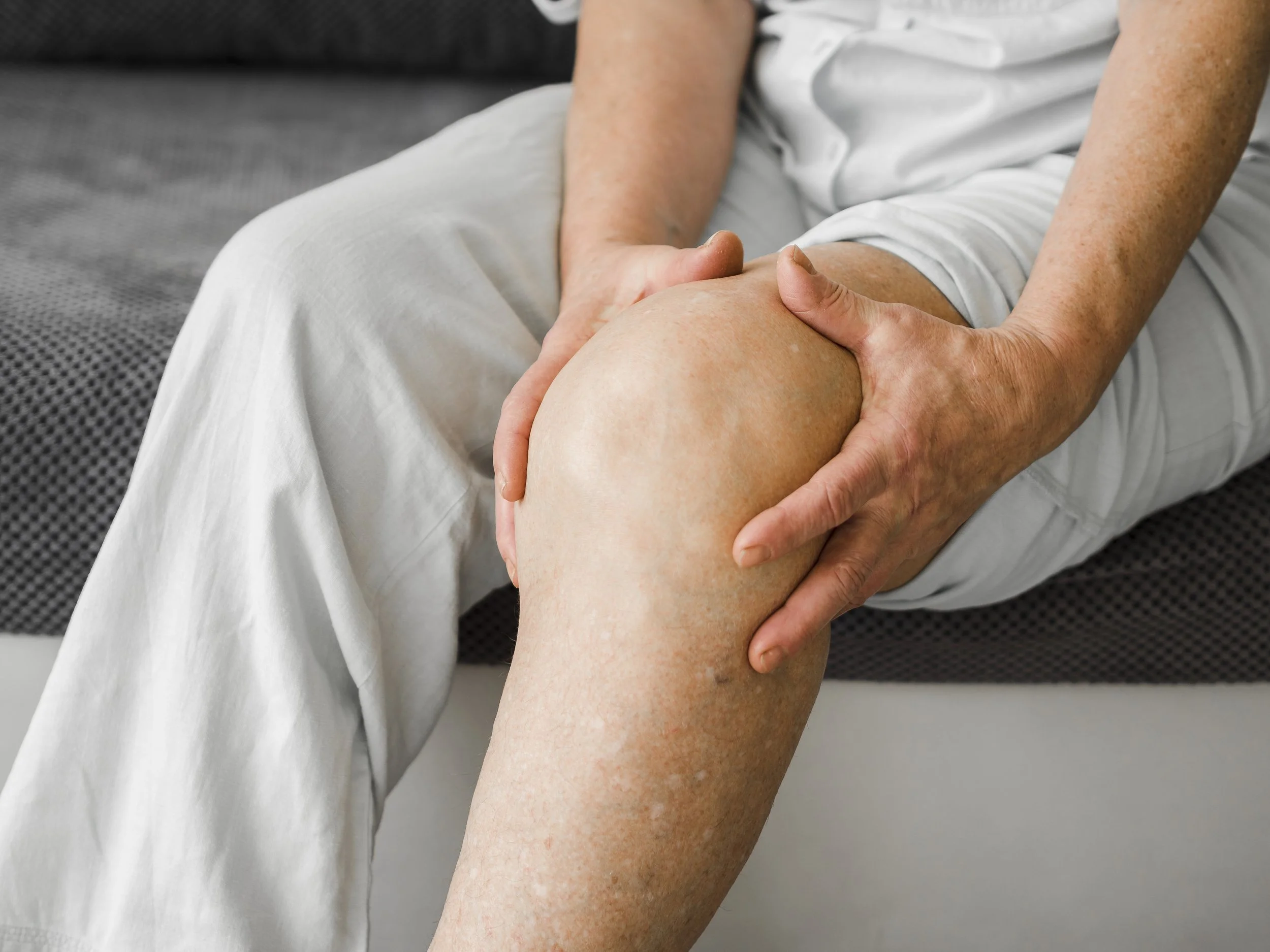
Osteoarthritis: Don't Let Joint Pain Slow You Down
Many people believe that osteoarthritis is simply an unavoidable part of aging and that painful joints are something they just have to live with. The truth is that while osteoarthritis is common, there is a lot that can be done to reduce pain, improve mobility, and help you stay active—and physiotherapy is one of the most effective tools available.
Osteoarthritis occurs when the cartilage that cushions the ends of bones within a joint gradually changes over time. This can lead to symptoms such as joint pain, stiffness, swelling, and difficulty performing everyday activities. The knees, hips, hands, and spine are among the most commonly affected areas.
One of the biggest misconceptions about osteoarthritis is that exercise makes it worse. In reality, the right kind of movement is often one of the best treatments. When joints become painful, people naturally tend to move less. Unfortunately, reduced activity can lead to weaker muscles, increased stiffness, and even more discomfort.
From a physiotherapy perspective, the goal is not just to treat pain but to improve the way the joint functions. A physiotherapist can design an individualized exercise program to strengthen the muscles surrounding the joint, improve flexibility, and restore confidence in movement. Treatment may also include hands-on techniques, education about managing symptoms, and strategies to help you stay active without overloading the joint.
Research consistently shows that regular exercise can significantly reduce pain and improve function in people with osteoarthritis. Even small changes, such as walking regularly, performing strengthening exercises, or maintaining a healthy weight, can have a meaningful impact on joint health and overall quality of life.
If osteoarthritis is limiting your ability to work, exercise, or enjoy daily activities, seeking physiotherapy early can make a difference. The sooner you address symptoms, the easier it is to maintain mobility, independence, and long-term joint health.
Osteoarthritis may be a long-term condition, but it doesn't have to define your lifestyle. With the right guidance and a proactive approach, you can continue moving, staying active, and doing the things you love.