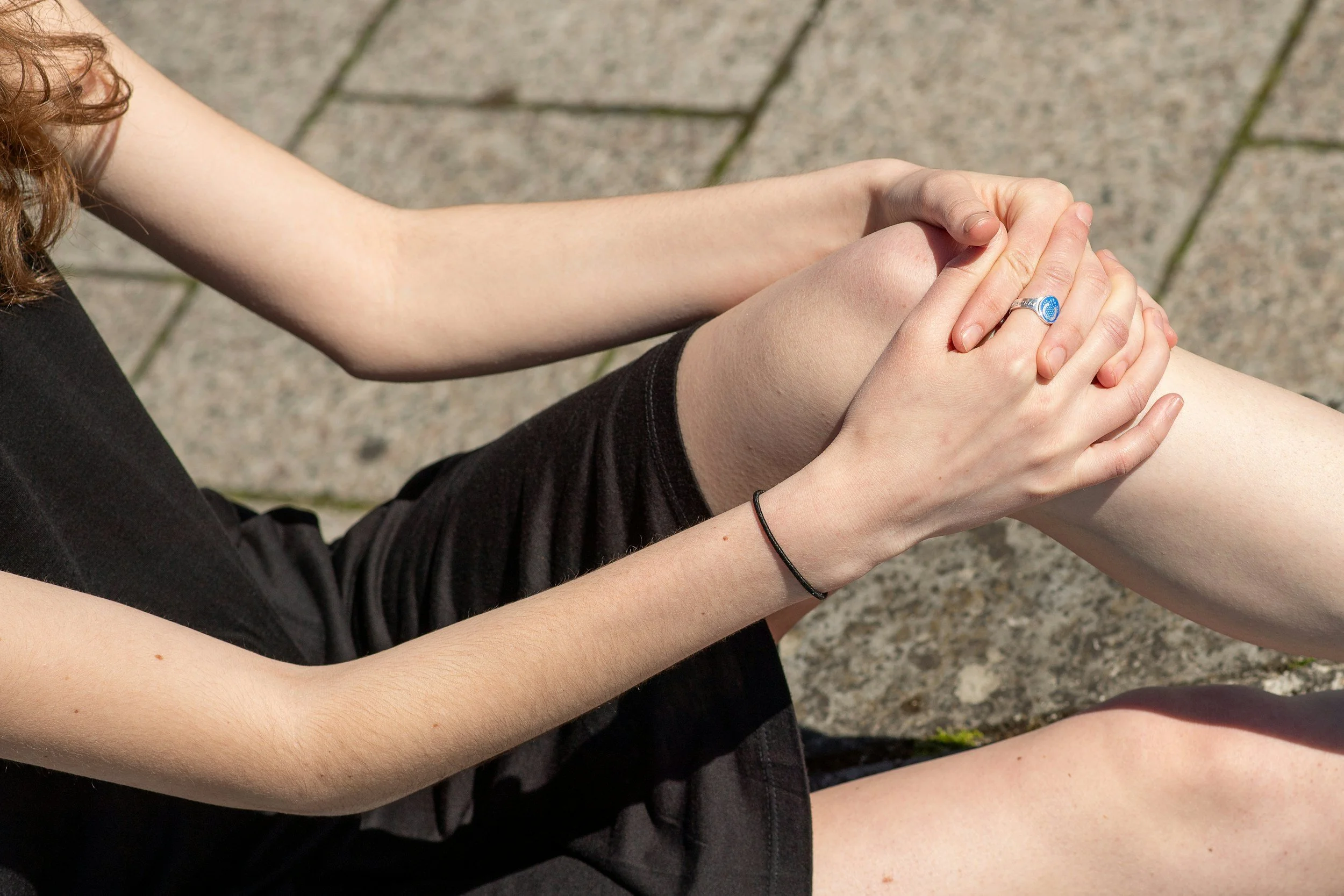
Have you ever noticed that your feet roll inward when you walk, or that you experience knee or hip pain after standing, walking, or exercising? Your feet may be playing a role in how your lower body moves.
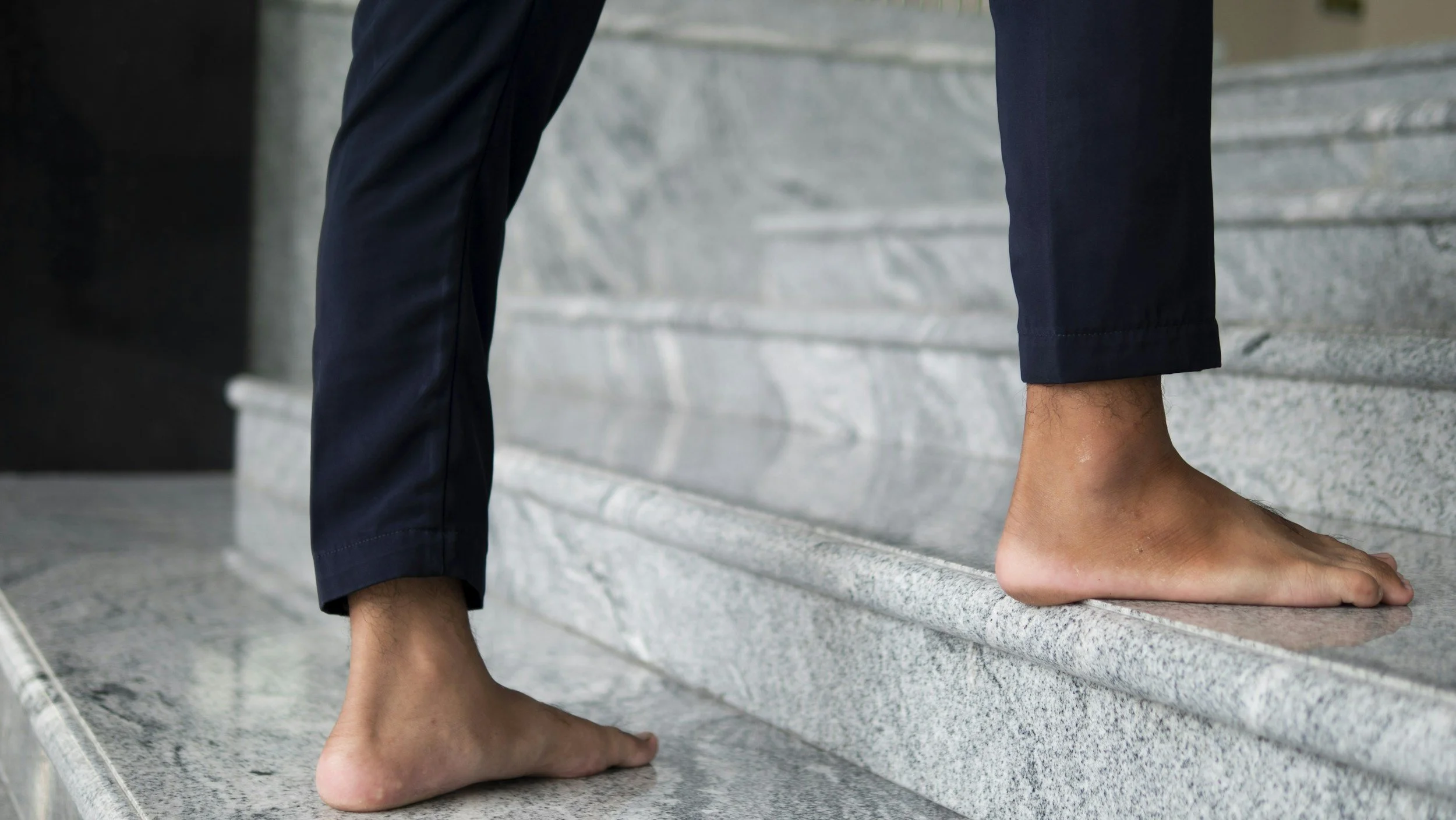
Flat feet, also known as pes planus, are a common foot structure in which the arch of the foot is lower than usual or makes contact with the ground when standing. For some people, flat feet cause no problems at all. For others, they may contribute to changes in movement that affect the ankles, knees, and hips.
From a physiotherapy perspective, understanding how your feet work with the rest of your body can be an important step toward managing pain and improving mobility.
How Can Flat Feet Affect Your Knees and Hips?
Your feet provide the foundation for standing, walking, running, and many everyday activities. They help absorb and transfer forces as you move.
With some types of flat feet, the foot may roll inward more than usual during weight-bearing activities, a movement known as overpronation. This can influence the position and movement of the lower leg and may affect how forces are distributed through the knee and hip.
Here are a few ways this relationship may contribute to discomfort:
Knee pain Changes in foot mechanics may influence lower-leg rotation and knee movement
In some individuals, this can contribute to increased stress around the kneecap or other structures of the knee, particularly during activities such as climbing stairs, squatting, running, or walking for long periods.
Hip discomfort Changes in lower-limb mechanics may also influence how the hip muscles work to control the pelvis and leg during movement
Some people with flat feet experience hip discomfort or fatigue, especially during prolonged standing or physical activity.
Muscle fatigue and altered movement patterns
When the feet, ankles, knees, and hips are not coordinating efficiently, certain muscles may need to work harder to maintain stability. Over time, this may contribute to fatigue, reduced exercise tolerance, or discomfort during everyday activities.
It's important to remember, flat feet do not automatically cause knee or hip pain. Many people with flat feet remain active and pain-free. Symptoms can arise from several factors, including muscle strength, joint mobility, activity levels, footwear, and previous injuries.
How Can Physiotherapy Help?
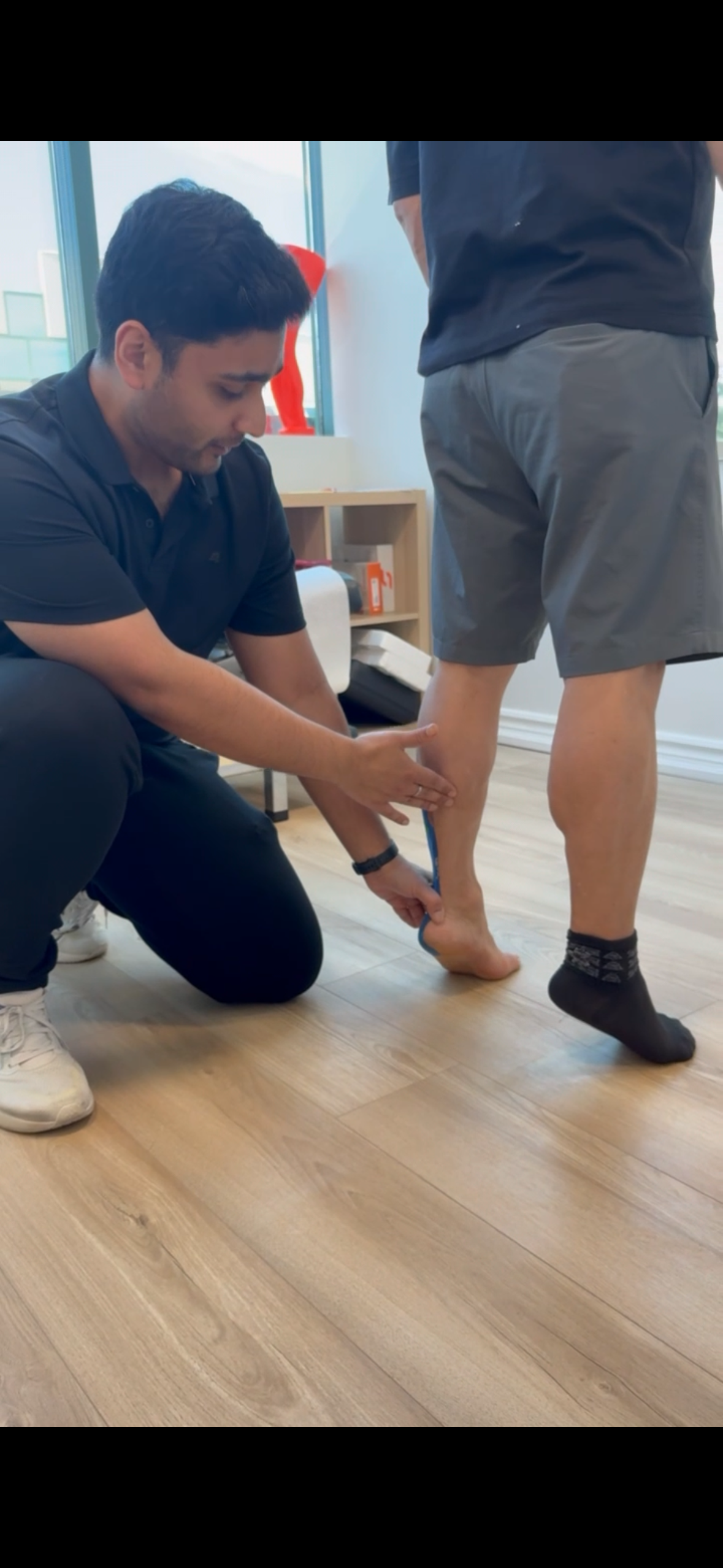
A physiotherapist can assess how your feet function alongside your ankles, knees, hips, and pelvis to determine whether your foot mechanics may be contributing to your symptoms.
Depending on your individual needs, treatment may include:
Foot and ankle strengthening: Exercises to improve the strength and control of the muscles supporting the foot and arch.
Hip and knee strengthening: Targeted exercises to improve lower-limb stability, movement control, and tolerance for daily activities.
Movement retraining: Guidance on walking, squatting, running, or other activities that may aggravate your symptoms.
Footwear and orthotic advice: Recommendations based on your symptoms, activities, and assessment findings. *Supportive footwear or orthotics may help some individuals, but they are not necessary for everyone.
Gradual return to activity: A personalized plan to help you build strength and activity levels without unnecessarily aggravating pain.
The goal is not necessarily to change the shape of your feet. Instead, physiotherapy focuses on improving comfort, strength, movement, and your ability to participate in the activities you enjoy.
When Should You See a Physiotherapist?
Consider booking an assessment if you experience persistent knee or hip pain, recurring foot or ankle discomfort, unusual fatigue while walking, or difficulty participating in exercise and daily activities. Seek prompt medical assessment if you develop sudden severe pain, significant swelling, an inability to bear weight, or a new change in foot shape accompanied by pain.
Take the First Step Toward Better Movement
Your feet are an important part of your body's movement system, but they are only one piece of the puzzle. Identifying the factors contributing to your pain can help you choose the right treatment rather than focusing on foot posture alone.
If you're experiencing foot, knee, or hip pain, our physiotherapy team can help assess your movement, identify contributing factors, and develop a treatment plan tailored to your goals.
Book an appointment with our clinic to learn how physiotherapy can help you move with greater comfort and confidence.