PRP + Physio: Why the Combination Can Make Sense
If you’ve been dealing with a stubborn tendon, joint, or soft-tissue injury, you may have heard about PRP (platelet-rich plasma) as a treatment option. But from a physiotherapist’s perspective, one of the most important parts of the process is what happens alongside the injection.
That’s where physiotherapy comes in.
PRP isn’t the whole treatment
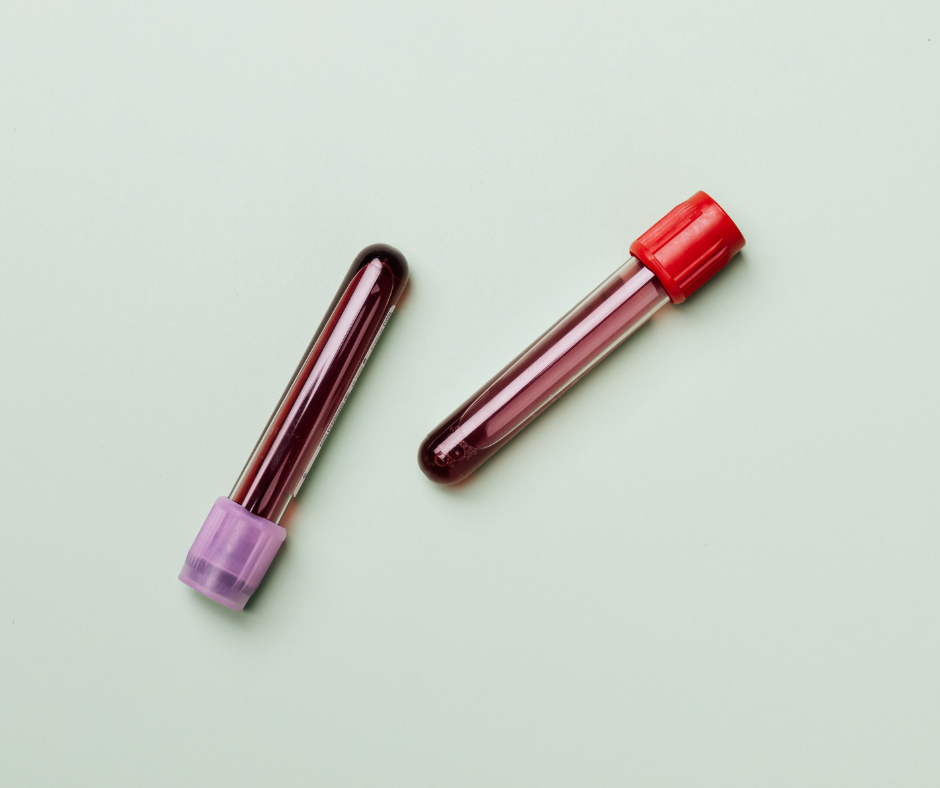
PRP uses a concentrated sample of your own blood, prepared to contain a higher concentration of platelets and growth factors, which are thought to support the body’s natural healing processes.
But an injection alone doesn’t necessarily address the reasons an injury developed in the first place.
For example, if pain is related to an overloaded tendon, simply treating the painful area doesn’t automatically change the strength, movement patterns, training load, or mechanics that contributed to the problem.
That’s why we often view PRP and physiotherapy as complementary approaches.
What does physio add?
Physiotherapy helps create the right environment for recovery.
Depending on your injury and where you are in the healing process, treatment may include:
Adjusting activities and training loads
Restoring mobility where needed
Improving strength and capacity
Gradually loading the injured tissue
Addressing movement patterns that may be contributing to symptoms
Building a plan that helps you return to the activities you care about
The key is progression. Too much load too soon can irritate an injury, while avoiding movement and loading for too long can leave the tissue deconditioned. Your physiotherapist can help determine what to do, when to do it, and how much is appropriate.
The goal is bigger than pain relief
One of the biggest misconceptions about injury treatment is that getting out of pain means you’re ready to return to everything you were doing before.
Often, there’s another step: rebuilding your tolerance and capacity.
Whether your goal is getting back to running, lifting, playing a sport, working comfortably, or simply moving without constantly thinking about your injury, physiotherapy can help bridge that gap.
Our approach at 2 Align Health:
When PRP is part of someone’s treatment plan, we look at the bigger picture. We work alongside the appropriate healthcare professionals and tailor rehabilitation to the individual, their injury, and their goals.
PRP may be one part of the recovery process. Physiotherapy helps turn that process into a progressive plan for getting you moving and performing again.
If you’re considering PRP or have already had a PRP injection, talk to your therapist at 2 Align Health about which structured rehabilitation program is appropriate for you.